


Matching Bands
-
Silver Princess Knight Couple Rings
Regular price ₹2,619Regular price₹8,730Sale price ₹2,619 -

 70% OFF
Golden Knight Band For Men
Regular price ₹1,519Regular price₹5,063Sale price ₹1,519 -

 70% OFF
Silver Knight Band For Men
Regular price ₹1,519Regular price₹5,063Sale price ₹1,519 -

 70% OFF
Silver Cupid Arrow Couple Bands
Regular price ₹2,099Regular price₹6,997Sale price ₹2,099 -

 70% OFF
Golden Cupid Arrow Men's Band
Regular price ₹1,389Regular price₹4,630Sale price ₹1,389 -

 70% OFF
Silver Cupid Arrow Men's Band
Regular price ₹1,389Regular price₹4,630Sale price ₹1,389 -

 70% OFF
Silver You & I Couple Rings
Regular price ₹3,729Regular price₹12,430Sale price ₹3,729 -
Silver Belt Style Promise Men's Ring
Regular price ₹1,889Regular price₹6,297Sale price ₹1,889 -
Golden Belt Style Promise Ring For Men
Regular price ₹1,889Regular price₹6,297Sale price ₹1,889 -
Silver Solitaire Classic Love Ring for Boys
Regular price ₹2,169Regular price₹7,230Sale price ₹2,169 -
Golden Solitaire Classic Love Ring for Boys
Regular price ₹2,169Regular price₹7,230Sale price ₹2,169 -
Golden Sparkling Love Band Ring For Men's
Regular price ₹2,209Regular price₹7,363Sale price ₹2,209 -
Silver Sparkling Love Band Ring For Men's
Regular price ₹2,209Regular price₹7,363Sale price ₹2,209 -
Golden Criss Cross Band For Men's
Regular price ₹2,479Regular price₹8,263Sale price ₹2,479 -
Silver Criss Cross Band For Men's
Regular price ₹2,479Regular price₹8,263Sale price ₹2,479 -

 70% OFF
Silver Wave Band For Men's
Regular price ₹2,069Regular price₹6,897Sale price ₹2,069 -

 70% OFF
Golden Wave Band For Men's
Regular price ₹2,069Regular price₹6,897Sale price ₹2,069 -

 70% OFF
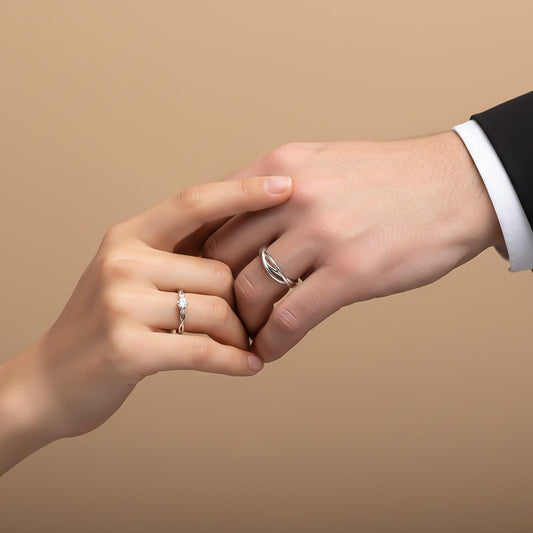
Silver Wave Love Couple Rings
Regular price ₹3,059Regular price₹10,197Sale price ₹3,059 -
Golden Men's Minimal Ring Band For Him
Regular price ₹2,289Regular price₹7,630Sale price ₹2,289 -
Silver Men's Minimal Ring Band For Him
Regular price ₹2,289Regular price₹7,630Sale price ₹2,289 -

 70% OFF
Golden Endless Love Men's Ring
Regular price ₹1,929Regular price₹6,430Sale price ₹1,929 -

 70% OFF
Silver Endless Love Ring For Him
Regular price ₹1,929Regular price₹6,430Sale price ₹1,929 -

 70% OFF
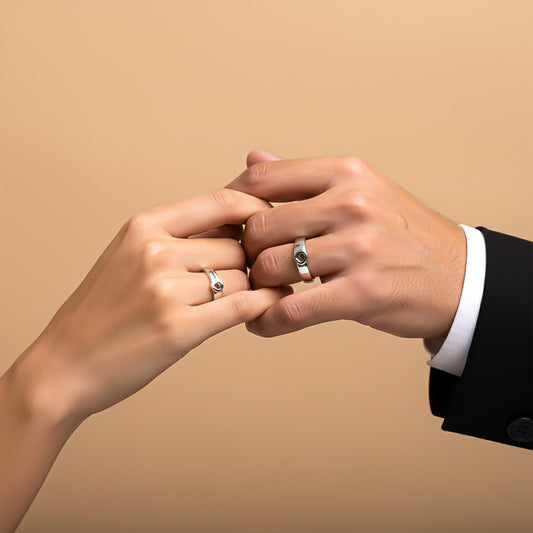
Silver Endless Love Couple Ring
Regular price ₹3,119Regular price₹10,397Sale price ₹3,119 -

 70% OFF
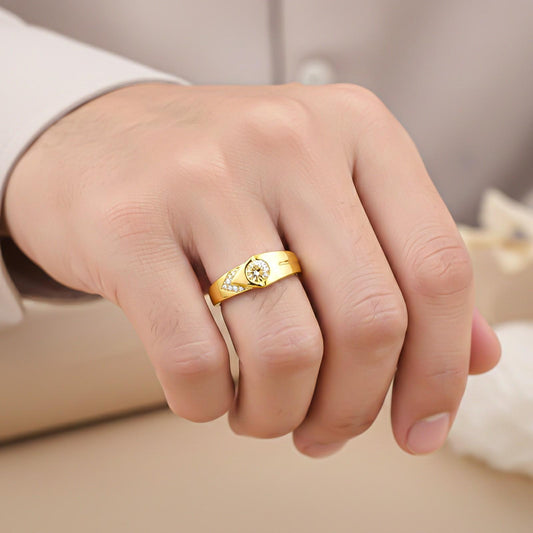
Love Unfold Men's Gold Band
Regular price ₹2,219Regular price₹7,397Sale price ₹2,219 -

 70% OFF
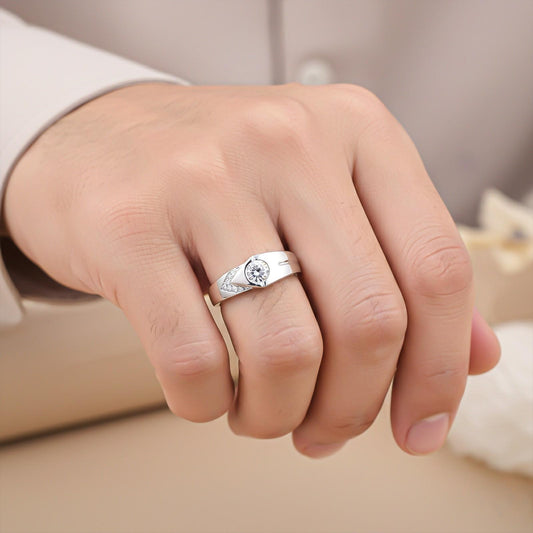
Silver Love Unfold Men's Band
Regular price ₹3,739Regular price₹12,463Sale price ₹3,739 -
Golden Solitaire Prince Band Ring
Regular price ₹2,339Regular price₹7,797Sale price ₹2,339 -
Silver Solitaire Prince Band Ring
Regular price ₹3,809Regular price₹12,697Sale price ₹3,809 -

 70% OFF
Silver Criss Cross Ring For Him
Regular price ₹2,818Regular price₹9,393Sale price ₹2,818 -

 70% OFF
Golden Criss Cross Ring For Him
Regular price ₹2,818Regular price₹9,393Sale price ₹2,818 -
Golden Heart Beat Men's Band Ring
Regular price ₹2,249Regular price₹7,497Sale price ₹2,249 -
Silver Heart Beat Men's Band Ring
Regular price ₹2,249Regular price₹7,497Sale price ₹2,249 -

 70% OFF
Golden Vintage Men's Band Ring
Regular price ₹2,069Regular price₹6,897Sale price ₹2,069 -

 70% OFF
Silver Vintage Men's Band Ring
Regular price ₹2,069Regular price₹6,897Sale price ₹2,069 -
Golden Classic Solitaire Men's Ring
Regular price ₹2,369Regular price₹7,897Sale price ₹2,369 -
Silver Classic Solitaire Men's Ring
Regular price ₹2,369Regular price₹7,897Sale price ₹2,369 -

 70% OFF
Silver Harmony Men's Band
Regular price ₹2,259Regular price₹7,530Sale price ₹2,259 -

 70% OFF
Golden Harmony Men's Band
Regular price ₹2,259Regular price₹7,530Sale price ₹2,259 -
Silver Solitaire Classic Love Rings
Regular price ₹3,459Regular price₹11,530Sale price ₹3,459 -
Silver Sparkling Love Couple Bands
Regular price ₹3,649Regular price₹12,163Sale price ₹3,649 -
Silver Minimal Solitaire Couple Bands
Regular price ₹3,569Regular price₹11,897Sale price ₹3,569 -
Silver Vintage Couple Matching Bands
Regular price ₹3,559Regular price₹11,863Sale price ₹3,559 -
Silver Love Unfolds Couples Bands
Regular price ₹3,739Regular price₹12,463Sale price ₹3,739 -
Silver Harmony Matching Couple Band
Regular price ₹3,479Regular price₹11,597Sale price ₹3,479 -
Silver Criss Cross Theme Couple Bands
Regular price ₹4,039Regular price₹13,463Sale price ₹4,039 -
Silver Cubic Zirconia Solitaire Princess Couple Bands
Regular price ₹3,809Regular price₹12,697Sale price ₹3,809 -
Silver Round Criss Cross Couple Bands
Regular price ₹4,369Regular price₹14,563Sale price ₹4,369 -

 70% OFF
Silver Heart Beat Couple Bands
Regular price ₹3,419Regular price₹11,397Sale price ₹3,419 -
Silver Classic Solitaire Couple Ring Bands
Regular price ₹4,379Regular price₹14,597Sale price ₹4,379


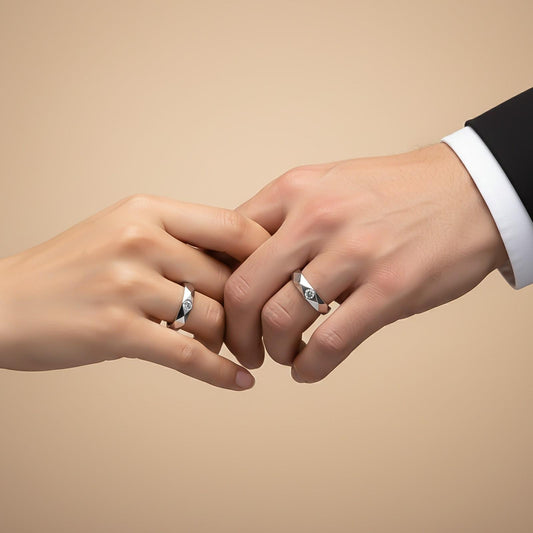


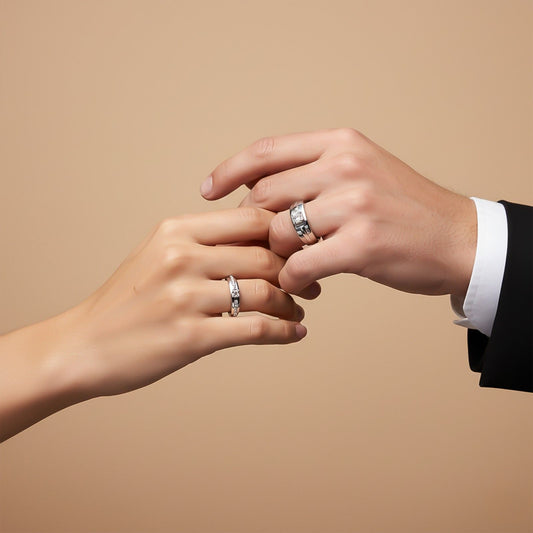


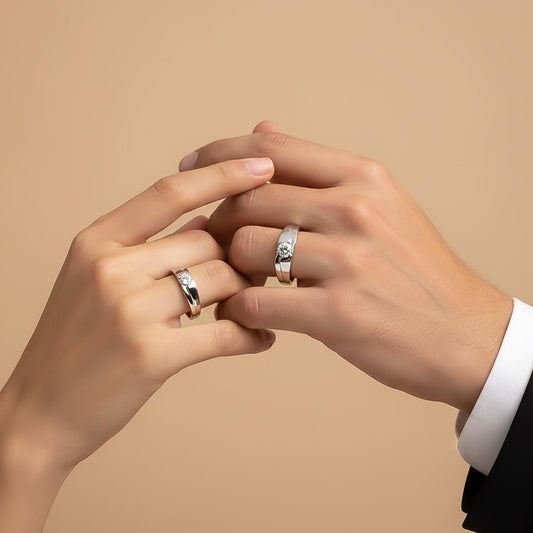
925 Sterling Silver
Matching bands are made from 925 sterling silver — 92.5% pure silver alloyed for strength.
Identical or Complementary
Choose identical bands or complementary designs so the pair feels shared yet personal.
Easy to Gift
A pair of matching bands removes the biggest gifting risk when you choose adjustable designs for both.
Metal & Stone Pricing
Price tracks the weight of silver and any stone against the live silver rate, not the label.
Sensitive-Skin Friendly
Sterling silver is nickel-free, so it suits sensitive skin, and any tarnish wipes off — it is not damage.
What Is a 925 Sterling Silver Matching Band?
A 925 sterling silver matching band is made from an alloy of 92.5% pure silver and 7.5% other metals, usually copper, which gives it the strength pure silver lacks. Pure silver is too soft to hold a setting or survive daily wear, so that small amount of copper is what lets each band keep its shape for years.
The 925 number is the fineness grade — written 925, S925 or .925 — and it is the single most useful thing stamped on the metal. The same standard applies to both bands in a pair, and Zalkari’s collection carries BIS registration HM/C-7791385109. A clean 925 alloy carries no nickel, so the rings are comfortable against skin, which is why sterling outsells cheap fashion metal for anything worn every day.
What Do Matching Bands Cost in India?
Matching bands at Zalkari are priced off the weight of sterling silver plus any stone, so a light matching pair costs far less than two heavy statement designs. The final number moves with two things: the live silver rate, which changes daily, and the size and stone on each band. First-time buyers take ₹200 off with the code WLC200, and paying online adds a further 5% off at checkout. Every order ships across India, with cash on delivery available.
Lighter everyday pairs sit under ₹1,500 in the wider ring range, while mid-range designs appear in rings under ₹3,000 and rings under ₹5,000. There is also a full choice of designs rings above ₹5,000.
Shop Matching Bands by Style
People buy matching bands in different frames of mind, so it helps to know the main pair styles before you choose.
Identical Matching Bands
Two bands that look the same — the classic choice for a clear paired look.
Complementary Matching Bands
Two rings that share a theme but differ slightly in scale or detail.
Solitaire Matching Pair
A single raised stone on each clean band.
Stackable Matching Set
Thin bands designed to layer so each person can wear one or more pieces.
Adjustable Matching Bands
Open-back designs that resize — the safest choice when you do not know both sizes.
Statement Matching Bands
Larger faces or coloured stones built to stand out as a shared look.
Which Gemstone Should You Choose?
Matching bands can be plain or stone-set, and colour is a real choice rather than a fixed one. For everyday violet-purple the amethyst rings edit is the one to see. A deep, festive red runs through the ruby rings range. Rich green sits in the emerald rings collection. Cool blue for office and evening wear is the sapphire rings look. A vintage wine-red is the garnet rings style, and for bright white, diamond-look sparkle the diamond rings edit leads.
For a plain matching pair no stone is needed; for colour or sparkle, pick the stone first, then choose matching designs that carry it.
How Do You Find Both Ring Sizes at Home?
Measure both ring sizes before you buy, because a ring that spins or pinches is the most common reason for a return. You can size at home in a few minutes.
Measure
Wrap a strip of paper or a piece of string around the base of each finger, mark where it overlaps, and measure that length in millimetres. Measure at the end of the day when fingers are largest, never when hands are cold.
Convert
Match the millimetre measurement to an Indian ring size chart — the number is the circumference in millimetres rounded to the nearest size.
Time it right
Measure at the end of the day when fingers are largest, and never when hands are cold, which shrinks them.
Check the knuckle
If a knuckle is wider than the base, size up slightly so the ring slides over it, then sits without spinning.
For a gift
A common women’s size in India is 12-14 and a common men’s size is 20-22; when unsure of either size, choose adjustable designs for both.
How Do You Style and Wear Matching Bands?
Matching bands work as everyday pairs or soft statements. Identical bands read clearly as a set, while complementary designs let each person keep a personal touch.
- Wear matching bands on the same finger for a classic paired look.
- Stack slim matching bands with plain or stone rings for a layered style, and match the metal tone to your other jewellery.
- Keep motif or stone-set pairs for lighter daily wear and take them off for heavy manual tasks.
- Treat both bands the same so they age and stay bright together.
Are Matching Bands Safe for Sensitive Skin?
Yes. Sterling silver contains no nickel, and nickel is the metal behind most jewellery skin reactions, so a genuine 925 matching band pair suits sensitive skin where plated fashion pieces do not. Zalkari finishes every band nickel-free, which is the practical reason sterling is the safe default for anything worn against the skin every day.
How Can You Tell If Matching Bands Are Real?
Look for the 925 stamp on both bands first, then confirm with a magnet — real sterling silver is not magnetic. Five checks you can do at home:
The stamp
925, S925 or .925 should appear on the inner band of each ring; zoom in with your phone camera.
The magnet
Silver is non-magnetic; strong attraction means base metal under plating.
The cloth rub
A faint black mark on a white cloth is oxidation — evidence of genuine silver, not a flaw.
The skin test
Plated fashion metal often leaves a green or grey mark within hours; solid sterling does not.
The price sanity check
Silver has a floor price set by the metal, so a “925” pair priced far below every comparable listing is telling you it is not solid silver.
Is BIS Hallmarking Mandatory for Silver in India?
No. Silver hallmarking in India remains voluntary. The Bureau of Indian Standards introduced it in 2005 under IS 2112, and unlike gold — which became mandatory in 2021 — silver has not followed yet. A hallmark on silver is a mark of a careful seller, not a legal requirement.
From September 2025 the Hallmark Unique Identification number, or HUID, became mandatory on every silver article that is hallmarked, which makes a hallmarked piece traceable. You can check a seller’s registration yourself — Zalkari’s is HM/C-7791385109.
How Do You Stop Matching Bands From Tarnishing?
Store both pieces airtight and keep them away from perfume, sweat and cleaning products, which age silver fastest. Tarnish is not damage — it is the copper in the alloy reacting with air, and it wipes off.
- Put them on last, after perfume, lotion and hairspray have dried.
- Take them off before swimming or a workout — chlorine and sweat both attack the alloy.
- Store each band in its own airtight pouch rather than loose in a box.
- Wipe with a dry cloth after a long day, especially in humid coastal cities.
- Treat both bands the same so they age and stay bright together.
Explore More Silver Ring Collections
Matching bands are bought as a pair, but the wider silver ring range is worth a look for matching or contrasting styles. Silver rings. Next, adjustable rings. For everyday wear, everyday rings. Motif pieces sit in butterfly rings. The men’s cut is silver rings for men, and warm-tone options appear in gold plated rings.
Buy Silver Matching Bands at Zalkari
Zalkari makes its matching bands in 925 sterling silver, holds BIS registration HM/C-7791385109, and finishes every piece nickel-free so it suits sensitive skin.
Questions before you buy? Call +91 88288 28851 or email support@zalkari.com.